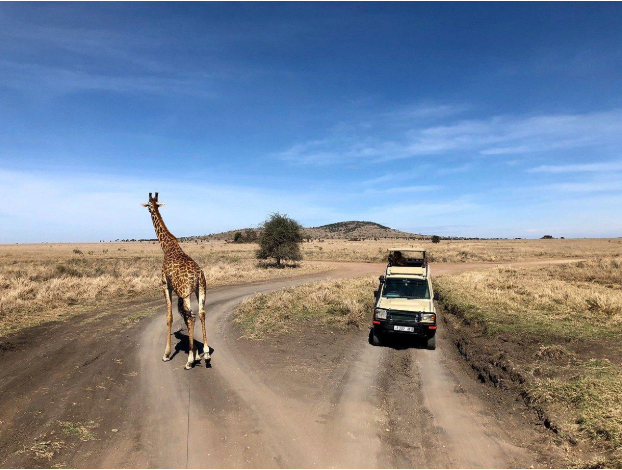
Halfway through a game drive, the plan changed. The guide slows the vehicle study a set of tracks crossing the road, then turns in a different direction. No one complain. No one checks the time. Instead, there’s a quiet sense of anticipation. In Tanzania, this kind of shift isn’t a disruption; it’s the point.
Wildlife movement sets the agenda, not the clock. The most rewarding Tanzania Safari experiences aren’t built around a rigid timetable or checklist. They are shaped by where animals move, when they feed, and how the landscape changes throughout the day. High-quality safaris allow room for adjustment because the wild rarely follow a fixed schedule.
Understanding this approach transforms expectation. Instead of asking what comes next on the itinerary, you begin to watch what the land and animals suggest in the moment.
Understanding Daily and Seasonal Animal Movement in Tanzania
Animals across Tanzania move with purpose. Their daily routines are guided by feeding pattern water availability, breeding cycles, and safety. These patterns shape what visitors see and when they see it.
Grazers often move at first light and again in the late afternoon when temperatures are cool. Predators adjust their behavior accordingly, resting during the heat of midday and becoming active during early and late hours. Water sources influence movement during dry periods, drawing animals into specific areas. Seasonal shifts add another layer, with migration routes and breeding cycles changing throughout the year.
This constant motion defines animal movement in the Tanzania Safari Experience. Wildlife isn’t static. It shifts across the landscape sometimes subtly, sometimes dramatically. Recognizing these patterns allows guides to position vehicles thoughtfully rather than simply following a predetermined route.
Across many destinations in Tanzania, from the Serengeti to Tarangire and Ngorongoro, movement shapes every sighting.
Why Fixed Safari Schedules Often Miss the Best Moments
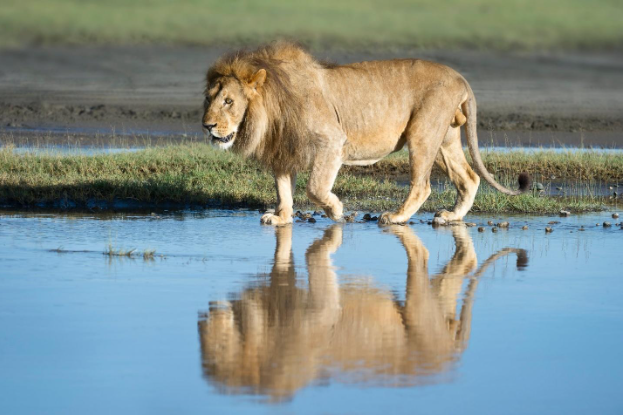
A strict safari schedule can create structure, but it can also limit opportunity. Nature doesn’t operate on a checklist. A pride of lions won’t adjust its hunting plan to match a set departure time. A herd crossing a river won’t pause because lunch is scheduled.
When itineraries are too rigid, guides may need to move on just as wildlife activity begins. Vehicles might arrive too early or too late. The result is often rushed viewing rather than meaningful observation.
Flexible planning allows time for patience. If a herd shows signs of movement, the vehicle can wait. If an alarm call suggests a nearby predator, the guide can adjust direction. These small decisions often lead to the most memorable moments on a Tanzania Safari.
Rather than seeing many places quickly, a movement-based safari focuses on being in the right place at the right time.
How Seasons Redesigns Safari Routes
A safari in July follows a different rhythm than one in March. Seasonal change influences grass growth, water availability, and migration patterns. As a result, the route shifts throughout the year.
During dry months, wildlife gather near permanent water sources. Rivers and watering holes become focal point. In wet periods, animals spread across a broader landscape where fresh grass is available. Calving seasons bring predators into specific regions. A shift in migration patterns is gradually affecting where herds and big cats are most active.
These patterns define the seasonal safari routes that travelers in Tanzania experience. Guides adjust the plan based on rainfall, vegetation, and recent wildlife activity. According to regional climate observation often referenced in Tanzania Weather and Tanzania Travel Guides, timing plays a major role in determining where wildlife concentrate.
Understanding these seasonal dynamics helps travelers choose the Best Time to visit Tanzania for their goals, whether that means migration viewing, predator activity, or quieter landscapes.
The Role of Local Knowledge Over Timetables
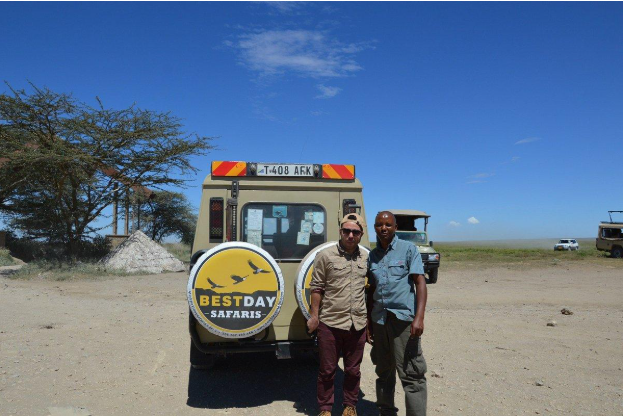
Experience matters deeply on a movement-based safari. Guides rely on observation rather than strict prediction. They read tracks in the dust, listen for alarm calls, watch bird behavior, and note wind direction. These details help them decide where to go next.
A flexible approach allows guides to respond in real time. If fresh tracks appear on a road, they may follow them. If clouds signal incoming rain, they may shift toward higher ground. If a herd begins to move, they may stay nearby rather than heading to the next scheduled stop.
This reliance on observation defines the wildlife behavior safari in Tanzania. Local knowledge often proves more valuable than any timetable. Over time, travelers begin to see how subtle signals shape decisions. The safari becomes a shared process of watching and responding.
Why Movement-Based Safaris Feel More Natural and Rewarding
Following wildlife movement create space for unexpected moment. Without the pressure of a strict schedule, game drives feel calm. Vehicles spend more time observing and less time rushing between locations.
This approach often leads to a few vehicles clustered around a single sighting, especially in areas where guides spread out based on recent activity rather than heading to a known spot at a fixed time. Wildlife appears more relaxed when encounters are unhurried and respectful.
Movement-led planning also supports ethical viewing. By positioning Tanzania Safari Vehicles thoughtfully and avoiding pressure to find something quickly, guides allow animals to behave naturally. For travelers, this creates a more immersive experience, one that feels connected rather than staged.
Flexible safaris often feel more attentive and better attuned to the environment. They reflect how the wild actually works.
CONCLUSION: FINAL REFLECTION
Designing a Tanzania Safari around animal movement rather than rigid schedules changes the entire experience. Wildlife becomes the guide. Landscape set the pace. Each day unfolds differently based on what’s happening in the moment.
This approach doesn’t mean a lack of planning. It means planning that allows room for adaptation. By following the rhythm of the land and its inhabitant safaris become more natural, more immersive, and ultimately more rewarding.
When travelers allow movement to shape the journey, they begin to see Tanzania as it truly is: dynamic, responsive, and alive.
- Choose Tanzania safaris designed around animal behavior, not rigid timelines.