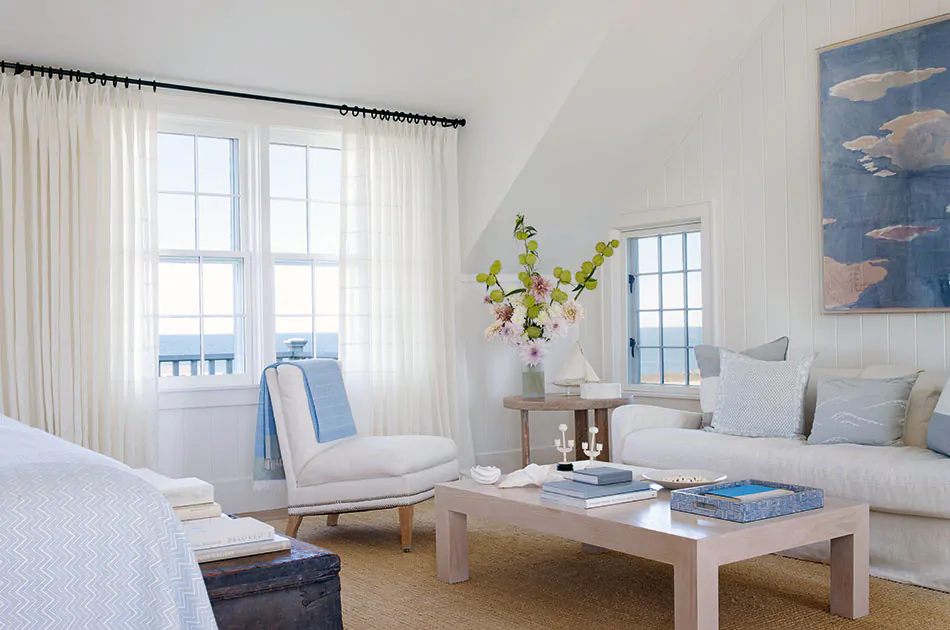
Natural light is one of the most valuable design features in any home. It makes rooms feel larger, brighter, and more welcoming. But as much as we love sunlight, we don’t necessarily love the feeling of being on display once the sun goes down. The challenge for many homeowners isn’t choosing between privacy and light; it’s figuring out how to have both at the same time.
Layering window treatments is often the most effective solution. When done well, layering doesn’t feel heavy or overly formal. Instead, it gives you flexibility throughout the day while adding softness and dimension to the room. The key is choosing the right materials and understanding how they work together.
Why Layering Works Better Than a Single Treatment
Relying on just one window covering usually forces a compromise. Thick drapes can provide excellent privacy, but they block daylight when closed. Lightweight sheers allow light to filter in, but they may not provide enough coverage at night. Blinds offer function but can feel stark on their own.
Layering allows each treatment to serve a purpose. One layer can soften and diffuse light during the day, while another adds privacy and insulation when needed. Instead of constantly adjusting a single solution that never quite does everything, you create a system that adapts to changing light conditions.
This approach also adds visual depth. Windows tend to look more finished when they’re framed thoughtfully rather than simply covered.
Start With a Light-Filtering Base Layer
The first layer should focus on maintaining brightness while softening glare. This is where fabrics matter most. Materials that gently diffuse sunlight create privacy without making a room feel dim.
For example, sheer roman shades provide subtle coverage while still allowing natural light to pass through. During the day, they blur the view from outside without closing off the room. They work particularly well in living rooms, dining areas, and kitchens where you want consistent daylight but don’t necessarily need full blackout capability.
Because they sit close to the window, they keep the overall look clean and uncluttered. The structured folds add a tailored feel without overwhelming the space.
Add Side Panels for Adjustable Coverage
Once you’ve established a light-filtering base, the second layer typically comes from panels mounted on a rod. This is where you gain flexibility. Panels can remain open most of the day, acting as a soft frame for the window. In the evening, they can be drawn closed for additional privacy.
Well-made custom curtains are especially effective here because they’re tailored to your window’s proportions and ceiling height. Proper length and fullness make a noticeable difference. Panels that skim the floor and extend slightly beyond the window frame create the illusion of larger windows and taller ceilings.
The beauty of pairing panels with a shade is that you don’t have to close everything at once. You can lower the shade partially while leaving the panels open, or close the panels in the evening while the shade remains raised. The combination allows for subtle adjustments rather than an all-or-nothing approach.
Consider Opacity Carefully
Layering isn’t just about adding more fabric; it’s about balancing transparency and coverage. If both layers are heavy, the result can feel bulky. If both are too sheer, privacy may still be compromised.
A practical approach is to use a lighter inner layer and a more substantial outer layer. During the day, the inner shade filters light while the panels frame the window. At night, the panels provide extra coverage when interior lights are on and visibility from outside increases.
Bedrooms may require an additional blackout lining for better sleep, but even there, layering can prevent the room from feeling dark during the day. Instead of relying on blackout curtains alone, pairing them with a lighter daytime option keeps the room usable around the clock.
Think About Mounting and Hardware
Where and how treatments are mounted influences both function and appearance. Mounting panels higher than the window frame draws the eye upward, which enhances the overall look. Extending the rod several inches beyond the frame allows panels to stack neatly at the sides without blocking glass.
Shades mounted inside the frame create a streamlined effect, while outside mounts can make windows appear larger. The goal is cohesion between layers so they feel intentional rather than added on. So, before you make up your layering plan, be sure to decide between outside mounted and inside mounted roman shades.
Hardware should complement the room’s style but remain understated. Matte black, brushed nickel, and warm brass finishes are popular choices because they blend easily with different design schemes.
Use Layering to Enhance Style, Not Just Function
Beyond privacy and light control, layering adds richness to a room’s design. Fabric introduces texture, and multiple layers create a dimension that flat blinds simply cannot provide.
In neutral spaces, layering prevents windows from feeling flat. In more colorful rooms, it softens bold elements. The contrast between structured shades and flowing panels can make a space feel balanced and thoughtfully designed.
Patterns, if used, are often best reserved for one layer to avoid visual clutter. Keeping one treatment subtle while the other introduces personality ensures the overall look remains cohesive.
Adjust for Different Rooms
Not every space requires the same level of coverage. Street-facing living rooms may need more privacy than backyard-facing dining rooms. Bathrooms and bedrooms often require greater opacity, while kitchens benefit from easy-to-clean fabrics and streamlined designs.
The advantage of layering is that it can be tailored to each room’s specific needs. You might opt for a light-filtering shade with decorative panels in a family room, while choosing blackout panels layered over a softer shade in a bedroom.
Consistency in color palette across rooms can maintain flow throughout the home, even if the function varies slightly from space to space.
Creating Comfort Without Losing Light
Ultimately, layering window treatments is about creating comfort. You shouldn’t have to choose between a bright home and a private one. With the right combination of materials and thoughtful placement, you can maintain daylight while ensuring your space feels secure after dark.
A layered approach allows your windows to adapt throughout the day. Morning light can filter in gently. Afternoon glare can be softened. Evening privacy can be achieved without turning the room into a cave.
When privacy and light work together instead of competing, your home feels both open and protected, which is exactly what good design should do.